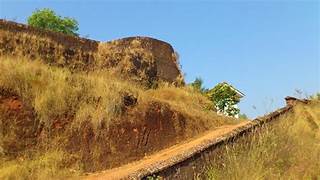
Chandragiri Fort
Overview
Chandragiri Fort is a 17th-century riverside fort located near Kasaragod town in northern Kerala, at the confluence of the Chandragiri River and the Arabian Sea. It is one of the best-known historical landmarks in Kasaragod district and offers panoramic views of the river, sea, and surrounding landscape.
The fort stands on a hilltop at Chandragiri, about 4–5 km south of Kasaragod town.
History
The fort was built in the 17th century by the ruler of Bednore (Ikkeri Nayaka dynasty), Shivappa Nayaka, after the region came under his control. The Chandragiri River was considered the southern boundary of his kingdom.
The fort served mainly as:
- A military outpost
- A watchtower for coastal defense
- A control point for trade and river routes
Later, like much of the Malabar region, the area came under Mysore rulers Hyder Ali and Tipu Sultan before eventually falling under British control.
Architecture
The fort is relatively small compared with major Kerala forts, but it is historically significant because of its strategic location.
Features include:
- Laterite stone walls
- Bastions overlooking the river
- Elevated viewpoints
- Open courtyards
- Remains of old defense structures
Today, much of the structure survives as ruins maintained by the Archaeological Survey authorities.
Scenic Importance
Chandragiri Fort is especially famous for:
- Sunset views over the Arabian Sea
- Views of the Chandragiri River estuary
- Photography and film shoots
- Calm riverside surroundings
The area around the fort has become a popular evening destination for tourists and locals.
Nearby Attractions
Some nearby places include:
- Bekal Fort
- Ananthapura Lake Temple
- Madhur Temple
- Kappil Beach
Best Time to Visit
- October to February for pleasant weather
- Evening hours for sunset views
- Monsoon season for lush scenery, though surfaces can be slippery
Cultural Significance
The fort reflects the historical connections between Kerala and coastal Karnataka. Kasaragod’s history involved multiple kingdoms, maritime trade, and multilingual cultures including Malayalam, Tulu, Kannada, Beary, and Konkani influences.